Article
 Yafang Huanga, Weiyi Xiongb, Jingwei Zhaoa, Wentao Lia, Li Mac, Hao Wua

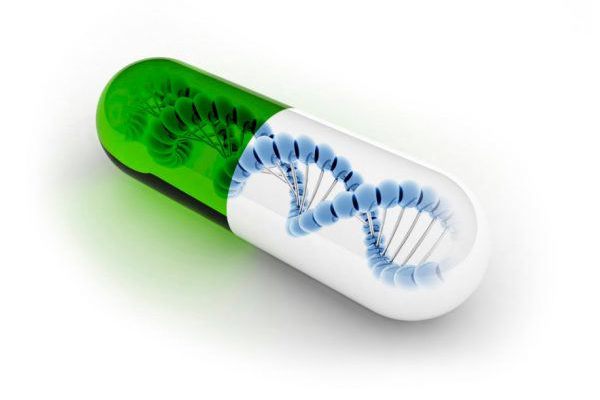
Every day, millions of Americans take medications that will never work for them fully as intended. Some patients will see little to no benefit. Others may have a variety of adverse reactions, including potentially fatal reactions. This is because individuals metabolize drugs differently, and, in many cases, prescribers must make assumptions as to how a patient will respond to a specific medication. An incorrect assumption can prolong illnesses, increase medication waste, and cost employers, health plans, and consumers billions of dollars. This, however, no longer needs to be the case.
For nearly 300 medications, whether and how a patient will respond is influenced by that person's genetic makeup. Although medical scientists have long understood the links between genes and drugs—a discipline known as pharmacogenomics—the healthcare industry has struggled to find timely and affordable ways to deliver relevant member-specific genetic information to providers at the point of drug prescribing.
As a result, physicians today too often must resort to a trial and error strategy to find the right drug that works for the individual patient or to avoid side effects. Certain classes of drugs are particularly sensitive to a patient's genetics, including medications used for the treatment of depression, pain, mental health, gastrointestinal symptoms, cardiac disease, and neurologic conditions. With the US Food and Drug Administration historically approving as many as 46 new drugs in 1 year, including powerful biologics, the list is likely to grow, and the risks associated with “prescribing by educated guessing” will increase.
Yafang Huanga, Weiyi Xiongb, Jingwei Zhaoa, Wentao Lia, Li Mac, Hao Wua
 Haiqing Isaac Dai, Yulia Vugmeyster, Naveen Mangal
 S.F. Oosting, J. Barriuso, A. Bottomley, M. Galotti, B. Gyawali, B. Kiesewetter, N.J. Latino, F. Martinelli, M. Pe, G. Pentheroudakis, F. Roitberg, H. Vachon, E.G.E. de Vries, M. Piccart, N.I. Cherny
Dylan V Neel, David S Shulman, Clement Ma, Florence Bourgeois, Steven G DuBois
Michael Z. Liao, Dan Lu, Matts Kågedal, Dale Miles, Divya Samineni, Stephanie N. Liu, Chunze Li
J. Remon, R. García-Campelo, E. de Álava, R. Vera, J. L. Rodríguez-Peralto, Á. Rodríguez-Lescure, B. Bellosillo, P. Garrido, F. Rojo & R. Álvarez-Alegret
S.F. Oosting, J. Barriuso, A. Bottomley, M. Galotti, B. Gyawali, B. Kiesewetter, N.J. Latino, F. Martinelli, M. Pe, G. Pentheroudakis, F. Roitberg, H. Vachon, E.G.E. de Vries, M. Piccart, N.I. Cherny
Dylan V Neel, David S Shulman, Clement Ma, Florence Bourgeois, Steven G DuBois
Michael Z. Liao, Dan Lu, Matts Kågedal, Dale Miles, Divya Samineni, Stephanie N. Liu, Chunze Li
J. Remon, R. García-Campelo, E. de Álava, R. Vera, J. L. Rodríguez-Peralto, Á. Rodríguez-Lescure, B. Bellosillo, P. Garrido, F. Rojo & R. Álvarez-Alegret