Podcast
 MSL Talk: Tom Caravela, Sonika Garcia, and Suzi Fraze

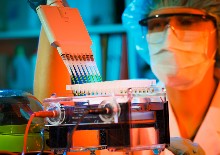
Cancer research in the United States has undergone seismic changes in the past 6 decades. In the early phases, before the second half of the 20th century, cancer laboratory research focused on tissue histology and animal xenograft models, with surgery and radiotherapy being the mainstays of treatment. The 1950s brought both an increased use of patient-derived, transformed cell lines (eg, HeLa cells, first cultured in 1951) and the dawn of the first active anticancer drug therapies (eg, antifolates in 1948 and thiopurines in 1951). Their success prompted the establishment of the Cancer Chemotherapy National Service Center, the predecessor of the National Cancer Institute (NCI) Developmental Therapeutics Program. This public focus, and the resources that followed, led to major breakthroughs in cancer therapy, including curative approaches in some subtypes, such as Hodgkin and non-Hodgkin lymphoma, some acute leukemias, and choriocarcinoma. In 1956, choriocarcinoma became the first solid tumor to be cured with chemotherapy.
Over the next 40 years, there were multiple important advances in chemotherapy, including the development of novel antimetabolites, alkylating agents, nucleoside analogs, platinum analogs, anthracyclines, taxanes, interferons, interleukins, and hormone antagonists. Combinations of these drugs (chemotherapy alone or as an adjunct to surgery, radiotherapy, or hematopoietic stem cell transplantation) improved the outcomes of patients with se lect solid and hematologic malignancies, with curative therapies established for testicular cancer, subtypes of breast cancer, and acute myeloid leukemia...
MSL Talk: Tom Caravela, Sonika Garcia, and Suzi Fraze
 MSL Talk: Tom Caravela, Danny Zzzz
 Dawn Lobban, Medical and Patient Engagement Consultant, Simon Stones, Senior Medical Writer, Envision Pharma Group
 MSL Talk: Tom Caravela, Sarah Snyder
 Kelly Soldavin, Senior Editor at Taylor & Francis Group is joined by Jacqui Oliver, Patient Partnership Director, Scientific at Envision Pharma Group and Sarah Griffiths, Communications Director, Patient Engagement at Oxford PharmaGenesis
 MSL Talk: Tom Caravela, Matteo Ottolini